Visual Motor Integration Tool: A Free Clinical Resource for PT, OT, and Neurorehabilitation
An interactive visual tool to support directionality, spatial awareness, and movement-based instruction in rehabilitation
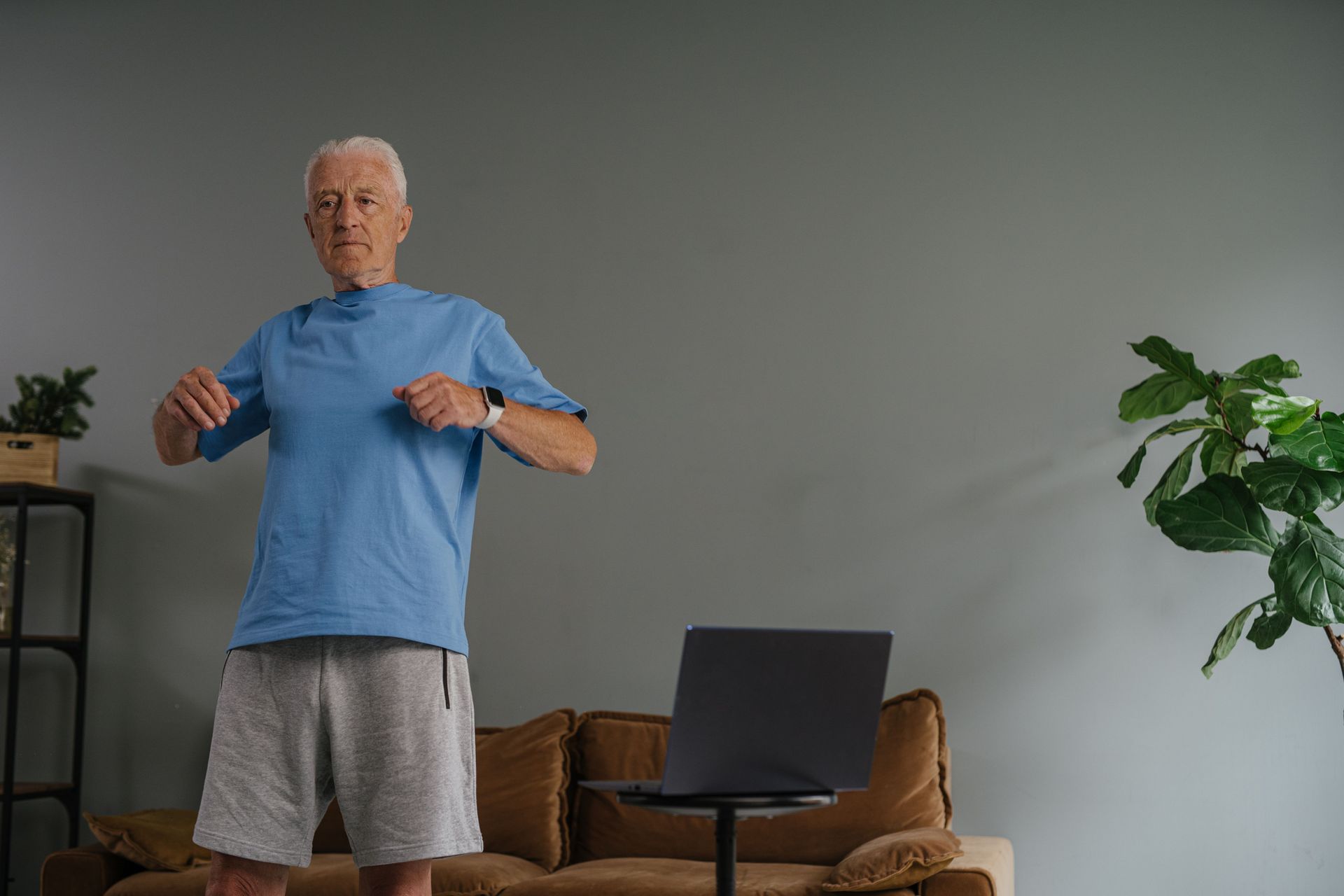
The Visual Motor Integration Tool is a free resource for clinicians by Next Step Rehab designed to support directionality, visual-motor integration, and movement-based instruction in rehabilitation settings. Adapted from the Kirshner arrow chart, this tool provides a structured way to reinforce visual attention, body awareness, spatial orientation, and motor planning during therapy sessions.
Clinical use in rehabilitation
In physical therapy and occupational therapy, visual-motor integration activities are often used to help patients coordinate what they see with how they move. This can be especially helpful in neurorehabilitation, where patients may need additional cueing to process direction, sequence movement, or maintain attention during task performance. The Visual Motor Integration Tool offers clinicians a simple, interactive format that can support those goals.
Use in physical therapy
In PT, the tool may be used to reinforce movement direction, step sequencing, balance strategies, and motor planning. It can provide a visual reference when teaching patients to move right, left, up, or down, or when practicing coordinated movement patterns. For patients recovering from neurologic injury, the chart may also support repetition and carryover by making motor tasks more concrete and easier to follow.
Use in occupational therapy
In OT, the tool may be used to support visual scanning, spatial awareness, laterality, and eye-hand coordination. It can also be incorporated into activities that require visual processing and organized motor output, which are common goals in pediatric therapy, neurorehabilitation, and functional training. Because the format is interactive, it can help clinicians present concepts in a way that is more engaging and easier for patients to understand.
Documenting patient progress using the tool
When using the Visual Motor Integration Tool to track progress, clinicians can document the following areas:
- Directional accuracy: Record the percentage of correct responses when the patient identifies and points to arrows (e.g., right, left, up, down) across sessions.
- Cueing level: Note the level of assistance needed (e.g., independent, verbal cue only, physical demonstration, or combined cues) for each trial.
- Response time: Document latency or time to respond from cue to action, especially if speed of processing is a treatment goal.
- Consistency and errors: Track the number of errors, type of errors (e.g., consistent left–right confusion), and whether errors decrease over time.
- Functional carryover: Document whether the patient can apply directional or sequencing skills learned with the tool to functional tasks (e.g., gait patterns, balance activities, or ADL tasks).
- Engagement and attention: Note the patient's ability to attend to the task, maintain focus, and engage across repetition without fatigue or frustration.
- Goal alignment: Link progress to specific short-term goals in the treatment plan, such as "patient will demonstrate correct directional response with ≤2 verbal cues in 4 of 5 trials."
Use these data points in your progress notes, discharge summaries, or insurance documentation to support objective evidence of change and to justify continued therapy.
Why it matters in neuro settings
Patients in neurorehabilitation often benefit from simplified instruction, repeated practice, and strong visual cues. The Visual Motor Integration Tool can serve as an adjunct to verbal coaching and hands-on intervention, helping clinicians present information in a clear and structured way. By adapting the Kirschner arrow chart into a broader visual-motor format, it supports the kind of learning environment often needed in PT and OT treatment.
Free clinician resource
Next Step Rehab offers this as a free resource for clinicians, making it easy to incorporate into patient education, therapeutic exercise, or teaching demonstrations without added cost. Free tools like this are especially useful when you want a practical visual aid that fits into both pediatric and neurorehabilitation workflows.
References
Kirshner, A. J. (n.d.). Training that makes sense. OEPF.
Kirshner, A. J. (n.d.). Finger numbering and arrow reading charts. OEPF. https://www.oepf.org/product/finger-numbering-and-arrow-reading-charts/
Next Step Rehab. (n.d.). Visual motor integration tool. https://nextstep-rehab.com/kirschner-dynamic-arrow-chart