How to Keep a Healthy Spine: A Practical Guide
A healthy spine supports your posture, protects your spinal cord and helps you move without pain. With consistent habits, simple home exercises and the right professional support when needed, you can protect your back at every age.
Why a Healthy Back Matters
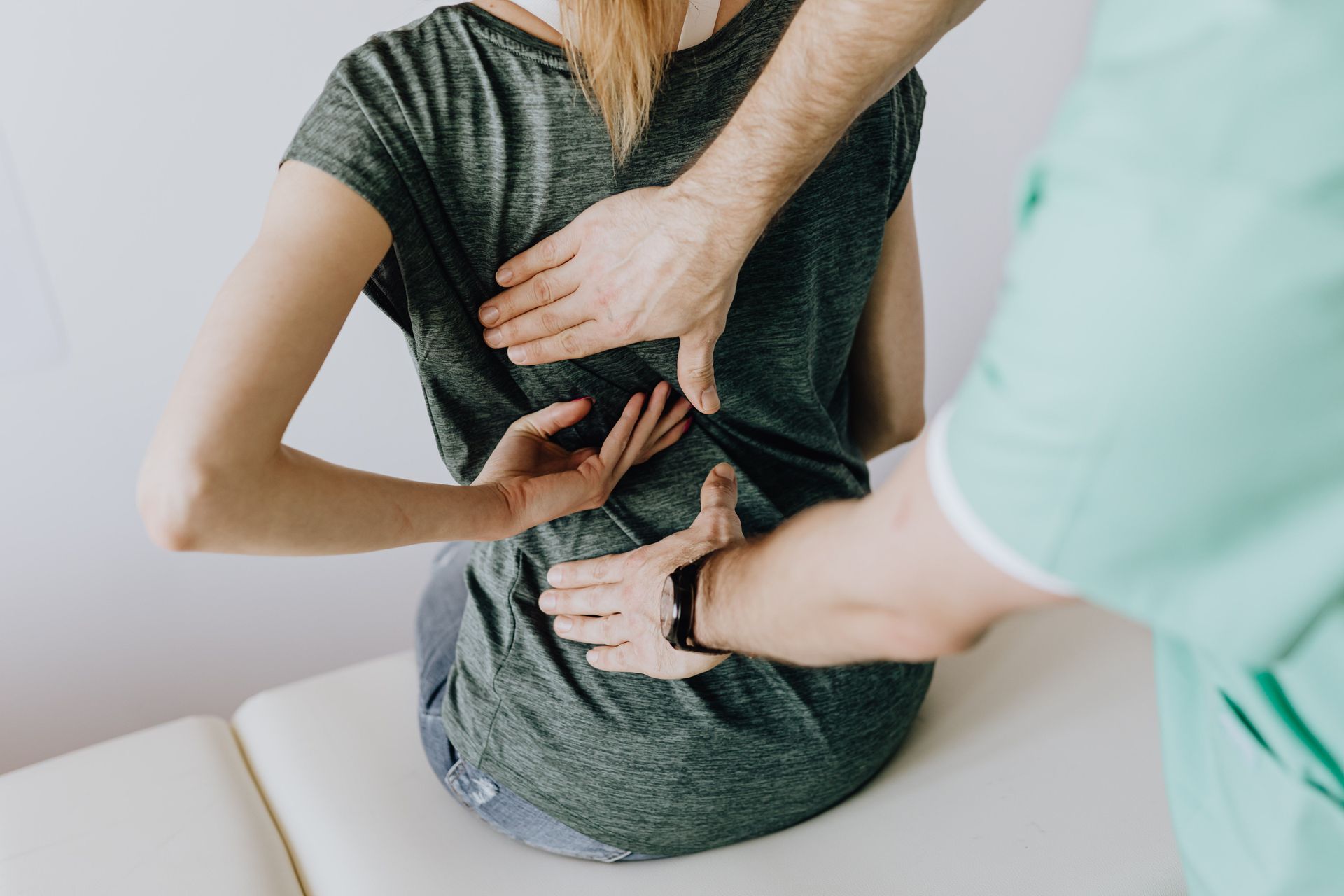
Your spine is your body’s central support structure. It:
- Enables upright posture and efficient movement
- Shields the spinal cord and nerves that control sensation and movement
- Distributes mechanical loads during daily tasks like walking, lifting, and sitting
When your spine is healthy, you’re less likely to develop chronic pain, reduced mobility, or nerve symptoms that can limit work, exercise, and daily life
What Happens to Your Bones as You Age
Aging affects bones, discs, and supporting tissues in predictable ways:
- Bone density declines: After about age 30, bone breakdown slowly outpaces bone formation, increasing risk of osteoporosis and fractures.
- Discs lose hydration: Spinal discs gradually lose water, becoming less flexible and less able to absorb shock, which can contribute to stiffness and pain.
- Joints and posture change: Cartilage can wear down (osteoarthritis), and posture may shift (e.g., increased forward curve), affecting balance and gait.
These changes don’t mean pain is inevitable—lifestyle choices and targeted exercises can slow decline and maintain function.
Daily Habits for a Healthy Spine
You don’t need perfect posture or a gym membership. Small, steady habits build resilience:
- Move consistently: Aim for daily walking or light strength work; even 10–20 minutes helps keep muscles and bones strong.
- Protect your setup: Use supportive shoes, a medium‑firm mattress, and a pillow that keeps your neck aligned; at work, keep screens at eye level and feet flat on the floor.
- Stretch your whole chain: Tight hips, hamstrings, and calves pull on the spine; gentle daily stretches for back and legs reduce strain.
- Support healing with lifestyle: Maintain a healthy weight, prioritize protein and calcium-rich foods, hydrate well, and avoid smoking, which can harm spinal discs.
- Be patient and consistent: Back issues often improve over weeks to months with steady self‑care; track progress and celebrate small wins.
Sleep and Spine Health
Quality sleep helps your spine recover and maintain alignment:
- Mattress and pillow: A medium‑firm mattress and a pillow that keeps your neck neutral (not tilted up or down) reduce overnight strain on discs and joints.
- Sleep position: Side‑sleeping with a pillow between the knees or back‑sleeping with a pillow under the knees can ease pressure on the lower back; avoid stomach sleeping if you have back pain.
- Consistent routine: Going to bed and waking at similar times supports muscle recovery and pain regulation
5 Spine‑Friendly Exercises to Do at Home
Important safety disclaimer
If you currently have back pain, a diagnosed spine condition (e.g., herniated disc, spinal stenosis, osteoporosis), recent surgery, or significant medical issues, consult a physical therapist (PT) or occupational therapist (OT) before starting these exercises.
Exercise with caution: Start with small ranges of motion and low intensity.
Stop immediately if you experience sharp pain, increasing pain, numbness, tingling, weakness, dizziness, or pain that radiates down an arm or leg, and seek professional guidance
Perform these 3–5 days per week, moving slowly and stopping if you feel sharp pain or radiating symptoms.
Cat–Cow (spinal mobility)
On hands and knees, alternate between rounding your back up toward the ceiling and gently arching it down.
10–15 slow reps. Helps lubricate spinal joints and eases stiffness.
Bird‑Dog (core stability)
From hands and knees, extend one arm forward and the opposite leg back; hold 3–5 seconds, then switch sides.
8–10 reps per side. Strengthens deep core and back stabilizers that protect the spine.
Glute Bridge (posterior chain strength)
Lie on your back, knees bent, feet flat; lift hips until your body forms a straight line from shoulders to knees; lower slowly.
10–12 reps. Builds glutes and hamstrings to reduce low‑back load.
Child’s Pose with Side Reach (gentle stretch)
From kneeling, sit back toward your heels and reach arms forward; then walk both hands to one side to stretch the side body. Hold 20–30 seconds each side.
Relaxes the lower back and stretches the spine and rib cage.
Wall Sit with Posture Reset (functional strength)
Back against a wall, slide down until knees are at ~90°, keep ears–shoulders–hips aligned; hold 20–40 seconds.
Builds leg and core endurance while reinforcing upright posture.
Why You Might Need PT and OT Services
Even with good habits, some people benefit from professional rehabilitation:
- Physical Therapy (PT) focuses on movement, strength, and pain reduction. PTs assess posture, gait, and muscle imbalances; prescribe targeted exercises; and use manual therapy to restore mobility and reduce nerve irritation.
- Occupational Therapy (OT) helps you adapt daily tasks and environments to protect your spine—such as ergonomic workstation setup, safe lifting techniques, and energy‑conservation strategies for work and home.
You may consider PT/OT if you have:
- Pain that persists beyond 4–6 weeks despite self‑care
- Numbness, tingling, or weakness radiating into an arm or leg
- Trouble with balance, frequent falls, or difficulty performing daily tasks
- Nerve “red flags” like new bladder/bowel changes (seek urgent care)
Early, guided intervention can prevent chronic pain, speed recovery, and help you return to work and activities safely.
References
Fayaz Neurosurgery. (n.d.). Four ways to keep your spine healthy. The Brain & Spine Institute. https://fayazneurosurgery.com/four-ways-to-keep-your-spine-healthy/
Hackensack Meridian Health. (2026, February 13). 5 ways to keep your spine healthy. Healthier You. https://www.hackensackmeridianhealth.org/en/healthier-you/2026/02/13/5-ways-to-keep-your-spine-healthy
HealthShots. (2023, May 22). 5 effective spine exercises you can do at home. https://www.healthshots.com/fitness/staying-fit/5-effective-spine-exercises-you-can-do-at-home/
Manipal Hospitals. (2019, December 22). 9 tips to keep a healthy spine. https://www.manipalhospitals.com/blog/9-tips-to-keep-a-healthy-spine/
MedlinePlus. (2024, July 14). Aging changes in the bones – muscles – joints. U.S. National Library of Medicine. https://medlineplus.gov/ency/article/004015.htm
News-Medical. (2022, May 3). How do our bones change as we age? https://www.news-medical.net/health/How-Do-Our-Bones-Change-as-We-Age.aspx
SpineHealth. (2026, June 1). 30 tips for spine health prevention & wellness. https://spinehealth.org/article/spine-health-wellness/
UC Health. (n.d.). Five tips for a healthy spine. https://www.uchealth.com/en/media-room/wellness/five-tips-for-a-healthy-spine
UPMC HealthBeat. (2023, September 11). How does aging affect my bones?
https://share.upmc.com/2022/07/how-aging-affects-your-bones/