Safe Driving Screening and Driving Rehabilitation: A Clear Path Forward
Helping you navigate the journey back to the driver’s seat with confidence.
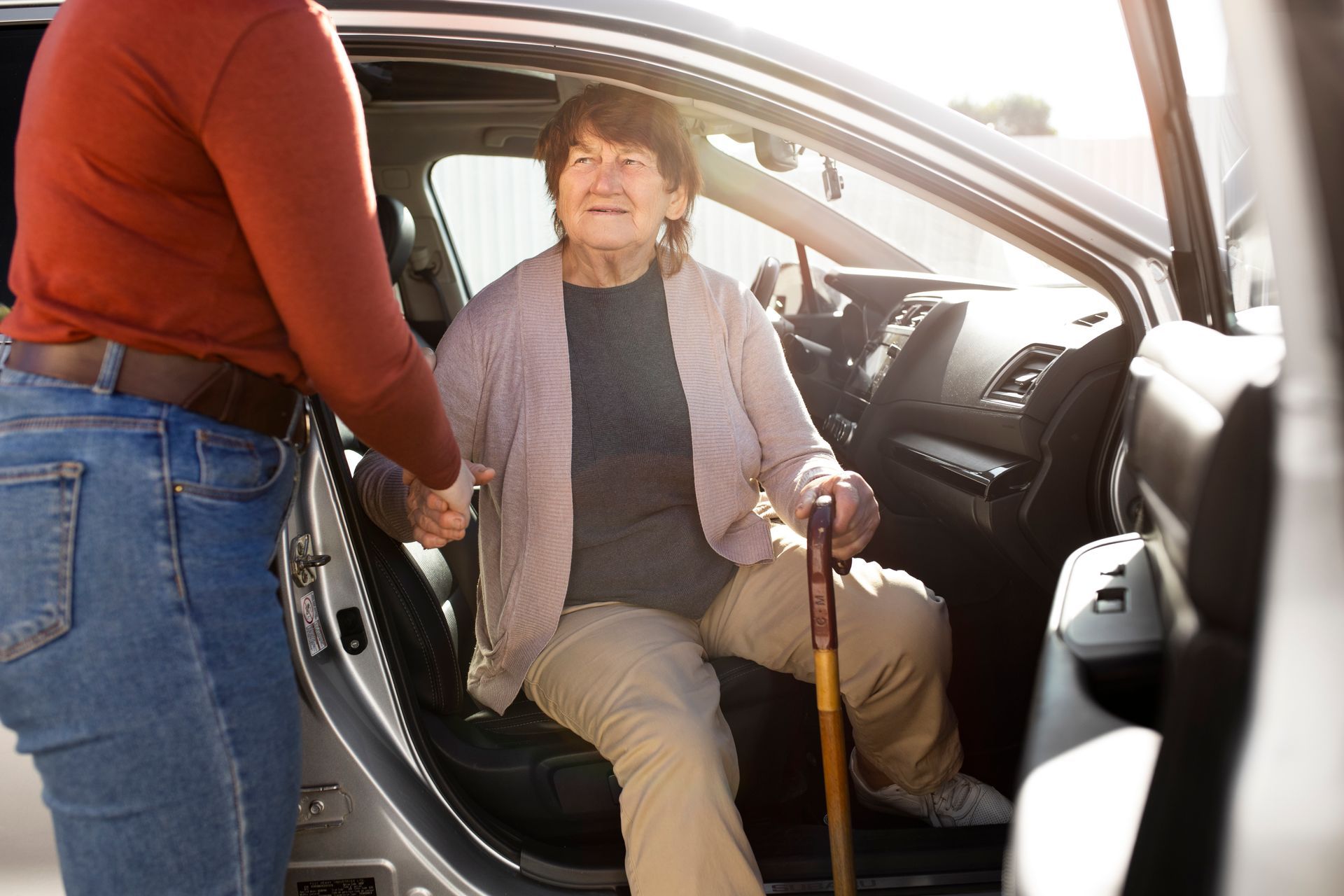
Driving is deeply tied to independence, routine, and identity. When health changes begin to affect driving, the topic can feel emotional, frustrating, and even divisive for families, but an objective screening process can turn a stressful conversation into a clear plan. Next Step Rehab helps patients and families take the first step by identifying concerns early and guiding them to the right next level of care.
Why Safe Driving Screening Matters
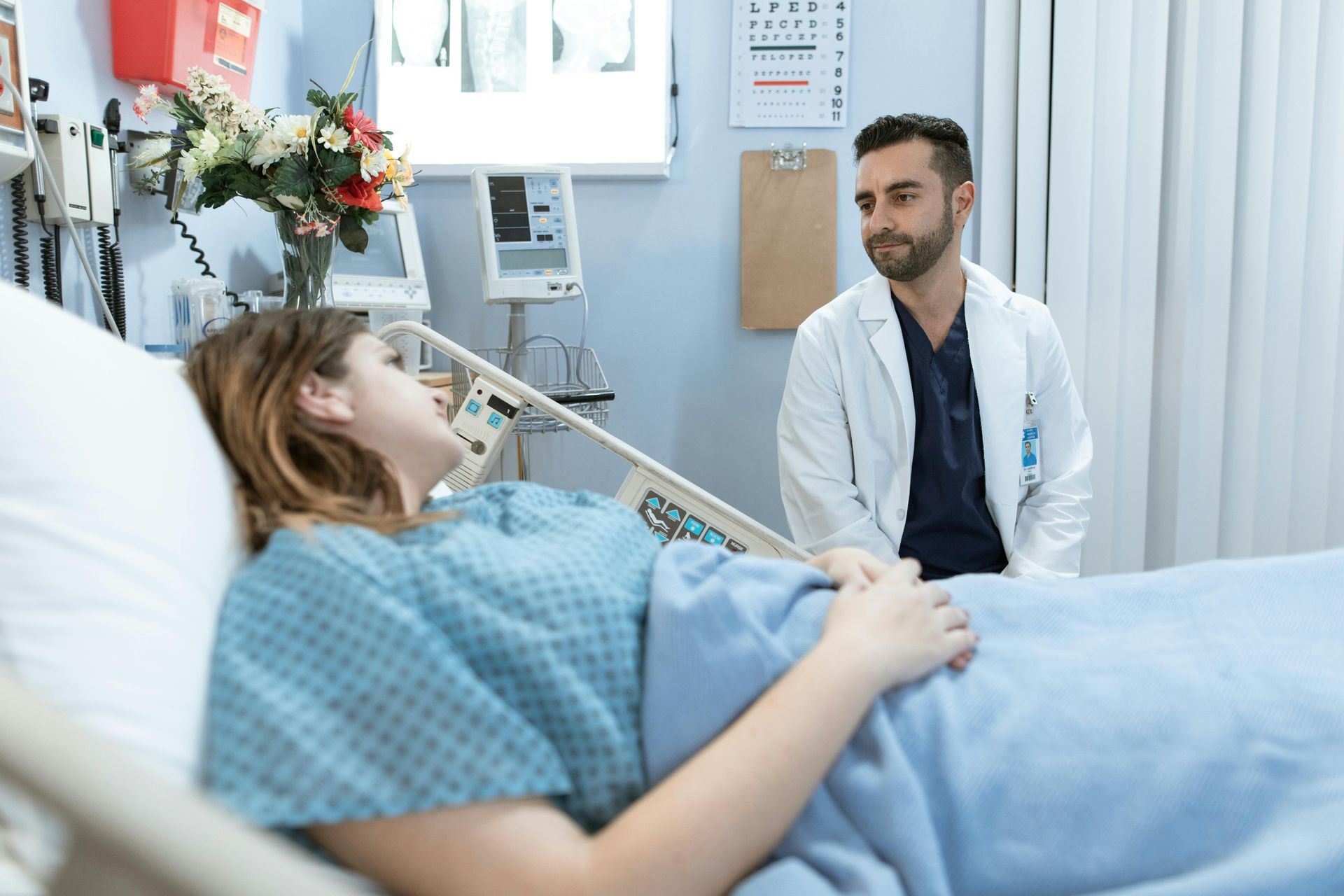
Safe driving depends on a combination of vision, reaction time, judgment, memory, coordination, strength, and mobility. A safe driving risk screen helps identify whether a person appears safe to continue driving, needs rehabilitation, or should be referred for a full driving evaluation. This matters because early screening can prevent unsafe driving from continuing unnoticed and can also help preserve independence by matching the person with the right supports.
Maryland Self-Report Requirements
In Maryland, drivers must report certain medical conditions to the Motor Vehicle Administration when the condition is diagnosed, when they apply for a license, or when they renew a license. Conditions the MVA may require reporting for include stroke, traumatic brain injury, seizures, dizziness or blackouts, vision problems, dementia, schizophrenia, mental health conditions that may affect driving, and weakness or numbness in the arms or legs that may affect driving. After review, the MVA may allow the person to keep driving, add restrictions, require more testing, or suspend or refuse driving privileges.
Why Patients Should Not Be Afraid to Report
Many patients worry that telling the truth means their keys will be taken away immediately. In reality, self-reporting starts a review process rather than an automatic loss of driving privileges, and the MVA’s stated goal is to keep drivers on the road as long as they can do so safely. Honest reporting allows the care team to make decisions based on risk, not guesswork, and it can reduce conflict when families are already worried about safety.
Who This Is For
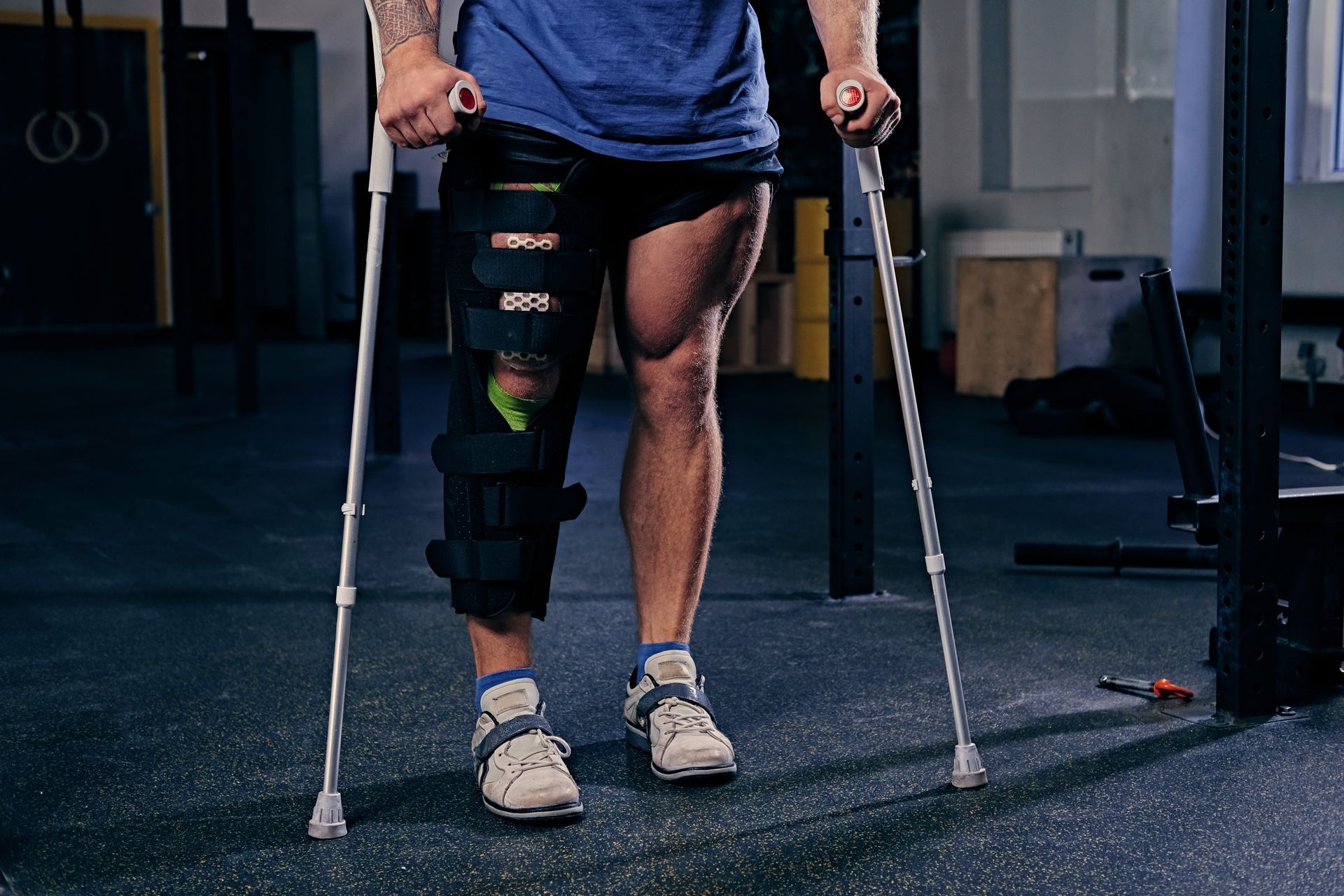
Driving screening is appropriate for patients who have experienced stroke, traumatic brain injury, memory decline, Parkinson’s disease, MS, seizures, low vision, diabetes-related events, arthritis, amputations, weakness, balance loss, or other conditions that may affect driving safety. It is also appropriate for patients whose family members notice lane drifting, getting lost, delayed reactions, near misses, or a growing fear of driving. In short, it is for anyone where the question “Is it still safe to drive?” cannot be answered confidently.
What Next Step Rehab Does
Next Step Rehab can complete an initial safe driving risk screen and provide written results that patients can take to their physician. That written summary gives the MD a more objective view of the patient’s driving-related strengths and limitations and can help guide decisions about next steps. This is especially valuable in families where emotions are high and the discussion about driving has become tense or repetitive.
Referral Sequence
A typical driving rehab pathway may look like this:
- A concern is identified by the patient, family, or physician.
- Next Step Rehab completes a safe driving risk screen and provides written results.
- The patient reviews the findings with their MD for a more objective medical perspective.
- If deficits are identified, the patient may be referred to PT and/or OT to work on problem areas such as strength, balance, coordination, vision, cognition, mobility, or reaction time.
- After therapy, the patient may be referred for a comprehensive clinical driver evaluation.
- If clinically appropriate, the patient then proceeds to a behind-the-wheel or on-road evaluation.
- The driver rehabilitation professional provides recommendations, and the Maryland MVA or other licensing authority makes the final driving decision when required.
Why PTs and OTs Come Next
Both PTs and OTs can work on problem areas identified during screening to improve driving readiness. PTs and OTs can address strength, balance, coordination, mobility, endurance, vision, cognition, visual perception, reaction time, and upper extremity function. When deficits are identified early, PT and OT services can improve functional readiness before the patient attempts the more advanced on-road evaluation.
Behind-the-Wheel and On-Road Evaluation
The behind-the-wheel or on-road evaluation is typically the next step after the clinical assessment if the person appears to have enough functional capacity to be evaluated in real traffic. This part is conducted by a trained driver rehabilitation professional, often an occupational therapist with specialized driver evaluation training or a certified driver rehabilitation specialist. The on-road portion helps determine how the person performs in actual driving conditions and whether any adaptive equipment, retraining, or restrictions are needed.
Who Provides Clearance to Drive
The driver rehabilitation team provides clinical recommendations, but they do not usually provide the final legal clearance to drive. In Maryland, the MVA makes the final decision about driving privileges after reviewing the medical and evaluation information. That may mean the person can continue driving, must follow restrictions, needs additional testing, or cannot continue driving at that time.
Family Conflict and Sensitive Conversations
Driving is one of the most emotionally sensitive issues in rehabilitation because it represents freedom, privacy, and independence. Patients often resist the idea of giving up their car keys, and family members may disagree about what is safe. Using screening, written results, and a clear rehab sequence helps reduce conflict by shifting the conversation from opinion to objective information.
How This Helps Patients
A structured process gives patients a fair chance to improve before the final on-road decision is made. It also helps physicians, therapists, and families communicate with less tension because the next steps are based on measured deficits and functional performance. In many cases, the goal is not to stop driving, but to support safe driving for as long as it remains appropriate.
Conclusion
If driving safety is becoming a concern, the best next step is an objective screening and referral process rather than a rushed decision. Next Step Rehab can help identify risk, provide written results for the physician, guide PT and OT referral when needed, and support patients through the path toward a comprehensive behind-the-wheel evaluation.
Check with your local MVA to verify State-specific requirements.
References
Maryland Department of Transportation Motor Vehicle Administration. (2026, April 13). Medical condition disclosure. https://mva.maryland.gov/your-mva-guide/medical-vision-requirements-licenses/medical-condition-disclosure
Maryland Department of Transportation Motor Vehicle Administration. (2026, April 7). Driver rehabilitation programs. https://mva.maryland.gov/licenses-ids/driver-education-safety/driver-rehabilitation-programs
Maryland Department of Transportation Motor Vehicle Administration. (2026, April 15). Medical review referrals & process. https://mva.maryland.gov/your-mva-guide/medical-vision-requirements-licenses/medical-review-referrals-process
University of Maryland St. Joseph Medical Center. (2024). Safe driver program. https://www.umms.org/sjmc/health-services/rehabilitation/specialty-therapy/safe-driver-program
Professional reasoning of occupational therapy driver rehabilitation specialists. (2022). PMC. https://pmc.ncbi.nlm.nih.gov/articles/PMC9545413/
Driving rehabilitation program development. (2023). American Occupational Therapy Association. https://www.aota.org/practice/clinical-topics/driving-community-mobility/driving-rehabilitation-program-development